
Room Enough
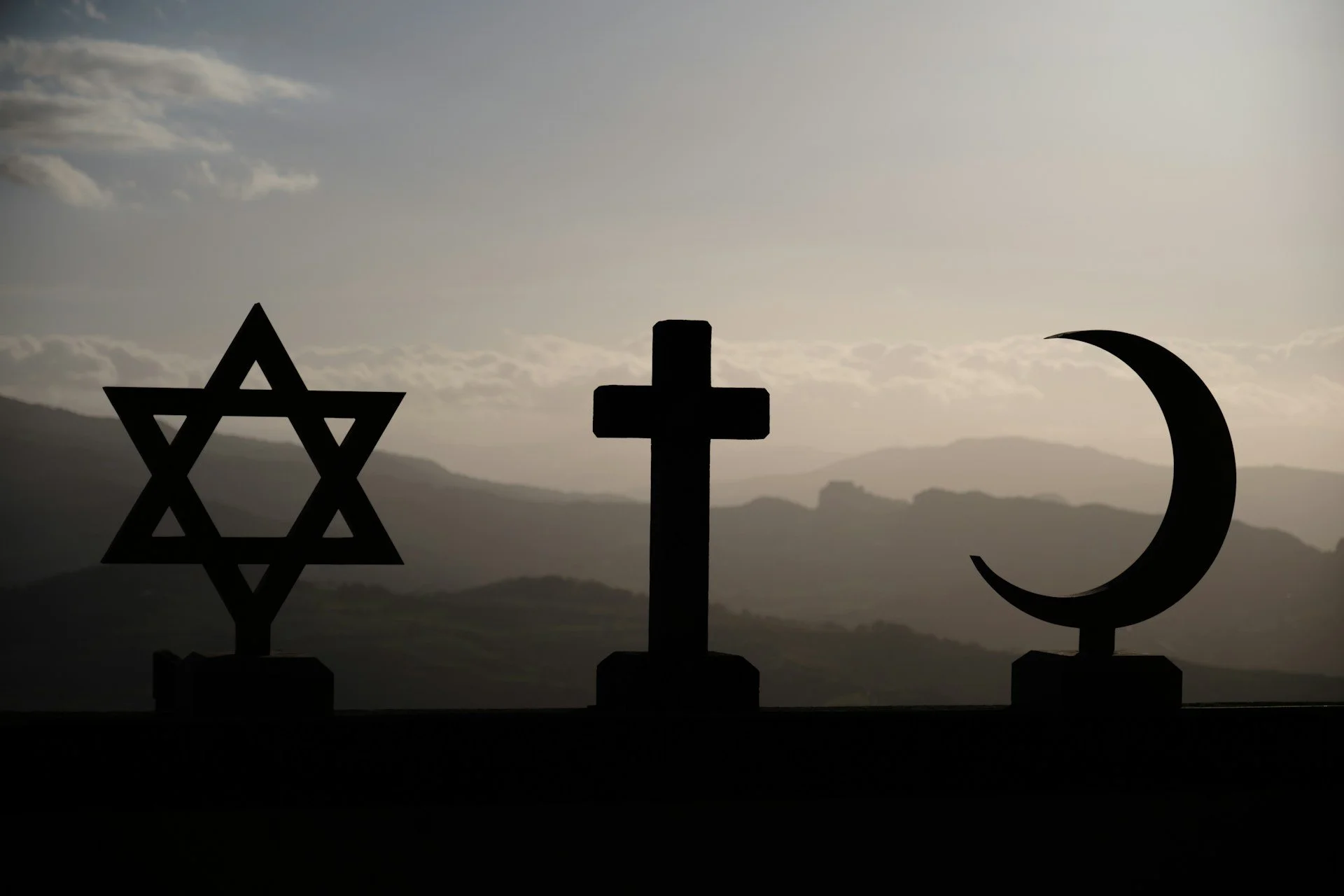
Everyone is free to believe, or not to believe, and that freedom is worth understanding.
Religious Freedom is our First Freedom
I was sitting in church this morning when the thought arrived and would not leave: write about religious freedom. And not in the narrow way it is easy to picture it, as something that mostly concerns the people who fill the pews. Write about it as one of the supports the whole house rests on, the kind you stop seeing until someone starts pulling at it.
So I have been turning it over since I got home. Why did it land so hard, in a building full of people who already have what they came for?
I think it is because religious freedom is the easiest freedom to misunderstand. It sounds like a benefit for the devout, a courtesy extended to people who pray. It is so much larger than that. The right to believe is the same right that protects the freedom not to believe. The principle that lets me worship the way I do is the one that lets my neighbor skip the whole thing, and lets the family down the street worship in a way I will never fully understand. You cannot defend one of those without defending all of them.
The people who built this freedom were careful with it in a way I am only starting to appreciate. When Washington wrote to a small and nervous Jewish congregation in Newport, wondering what the new country would mean for people like them, he refused the word toleration. Tolerance is a favor the majority extends and can withdraw when its mood changes. What he promised them instead was a right they already carried, owed to no one's good graces. A freedom you are only loaned can be called back the moment the lender changes his mind. A right does not work that way, and a right is what a minority can stand on, which, in the end, is every one of us.
I keep coming back to the man who wrote this freedom into the country in the first place. James Madison was a young man in Virginia when he watched Baptist preachers sitting in jail for preaching without the established church's permission. He was not a Baptist. He had been raised inside the very church that was doing the jailing, and his own standing was never once at risk. What undid him was the plain sight of men punished by their government for following their conscience, people he did not belong to and did not agree with. That was the thing he could not let go of. The first freedom in the Bill of Rights was lit, at the start, by a young man's defense of people who were not his own.
That is the part that costs something. Standing up for the conscience of people who already think like me has never asked much of me. The harder and truer work is standing up for the conscience of the people whose beliefs unsettle me, because the day their freedom is up for negotiation, mine is on the same table. A protection that only reaches people who believe what I believe would be hollow. It has to cover the neighbor who prays to someone else, and the one who does not pray at all, or before long it covers no one.
Freedom of conscience holds up almost everything else we say we care about. If a government, or a majority in a heated moment, can decide what you are allowed to believe inside your own mind, there is very little left that they cannot decide.
I do not know exactly what I am being asked to do with the thought that came this morning, beyond write it down and mean it. Maybe that is the start. Notice who is losing room to believe, or room to doubt, and refuse to look away because it is not my room this time. There is enough house for all of us. The work is keeping it that way.
