
The Skills of Staying
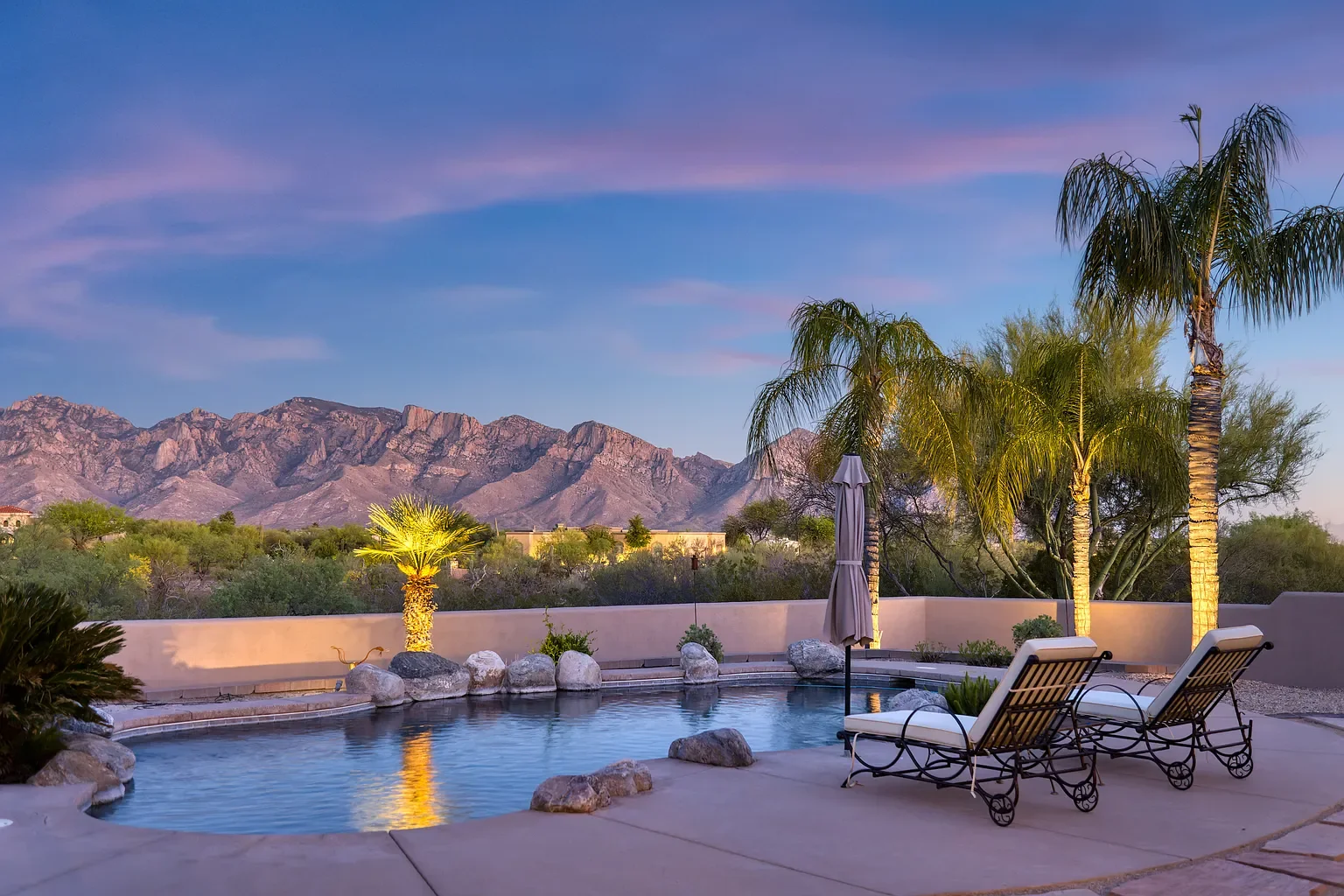
I could get used to this… oh wait… I actually GET to!
In which Angela gets the keys to her forever house and freaks out
We got the keys yesterday.
I walked through the empty rooms while Dave talked to the realtor in the kitchen, and I had the strangest feeling — a kind of vertigo. The house is beautiful. The view is, in the most literal sense of the phrase, to die for. And I will probably die here. That thought arrived more quickly than I expected, and a lot more matter-of-factly. Oh. Right. This is the last one.
For now, though, I'm sleeping at the rental and driving over to paint and pull up carpet. The rental, I should mention, is where I have spent the last several months locked in a low-grade detective novel about the small creatures in the attic — first I was sure they were mice, then I became convinced they were rats, then briefly raccoons, and then, after much expert consultation and one very dramatic evening, we settled back on mice. The rental is funny in the way places you are about to leave are funny. You can forgive a rental anything once you know its days are numbered… almost. (wink, wink)
Every morning I wake up there, blink at the ceiling, and remember — with a small electric jolt that I am still not used to — that I get to leave. I get to drive to my house. Not a base house. Not a lease. Not "until the next set of orders." My house. The kind you put down roots in. The kind, as I said, you grow old and die in, if you are lucky. We never in a million years expected to end up here. That part is true and is its own whole feeling, and I want to honor it before I say the rest.
Because there is a rest.
Underneath the joy is another feeling I keep trying to name without making myself sound ungrateful, because I am not ungrateful. I am, however, mildly freaking out.
The word I keep landing on is trapped, which is absurd. Nobody is trapping me. We chose the house. We chose the city. We chose to stop. But I came up in a culture of motion — twenty-one moves now, kids who could pack a household by the time they hit middle school, a calendar built around somebody else's orders — and what I'm noticing now is that the option to leave wasn't just a logistical reality. It was part of how I knew myself. I was the person who could land anywhere and make it work. I was the woman with a foot half-out the door. That woman had skills. She was good at her job. I am not sure she has a role anymore.
This is the part I haven't said out loud yet, so I'll say it here: I don't know who I am when I'm not packing.
I am more than nineteen thousand mornings into a life mostly defined by other people's pace — Dave's orders, the kids' school years, whichever country was next on the list — and what I had, what I was secretly proud of, was the speed of my adaptation. I could meet a stranger and have a lunch date by the following week. I could find a hairdresser in any time zone — which believe me is more difficult than just about any other facet of moving. I could grieve a friendship on a deadline. There is a kind of competence in mobility that nobody really credits because the metric isn't visible. I was good at it. It was my craft.
Staying is going to require a different craft. I'm not sure I have it yet.
Here is what I know about people who stay. They know things slowly. They know who's been sober for two years and who's been struggling lately. They know which neighbor's dog has cancer and which neighbor is about to retire. They know who they are not going to fix, and they show up anyway. They've watched each other's kids grow up and start to look like their parents. That kind of knowing is the work of decades, and you cannot test out of it.
I don't have any of it yet. I have a house with no curtains and a kitchen that echoes and a backyard someone else planted. I have to begin the long, slow process of being known — and that, I think, is the part that's actually scary. When you move, you take a clean slate with you. Nobody at the new place saw you cry in the grocery store last spring or remembers the thing you said wrong at the last dinner you hosted. Staying means all of it accumulates. The version of you that people know is the version of you that actually lived.
What I'm afraid of isn't being trapped. What I'm afraid of is being seen.
For thirty years, the next move was always partly the answer. Whatever wasn't working, you could carry it across a state line and try again. A fresh start was a tool I knew how to use. Here, no fresh start is coming. Whatever I am going to build, I'll build in this body, with these neighbors, in this season of my life. There is no version of this where I get to be someone else next year.
I think this is what people mean when they talk about putting down roots, and I have to be honest, I never really understood it before. I thought it meant ownership. A mailing address that didn't change. It turns out to mean something harder. It means I am the same person on Tuesday as I was the Sunday before, and the neighbor across the street remembers both days, and no clean break is coming to bail me out.
That is the freak-out. It is not really about the house. The house is beautiful. The freak-out is about the loss of a particular kind of escape hatch, and the suspicion that I am going to have to grow up in a new way, in public, in front of people who are going to be here for the next twenty years.
Okay. Yeah. Okay.
What I am doing about it, since this is supposed to be a piece of writing and not just a journal entry, is trying — and this is hard for me, so bear with me — to let the freak-out be information instead of a verdict. An old self is loosening her grip and a new one has not shown up yet, and the gap between them is uncomfortable, and I am not very good at the gap. I have spent most of my adult life skipping over it by moving.
This time I am going to sit in it. Be a beginner at staying. Bring the wrong dish to the neighborhood thing and laugh about it. Walk the block at sunset and learn whose porch light is always on. Plant things in soil I will be here to water. Let myself be known, including in the parts I usually pack up and leave behind.
Here is the thing about our life, mine and Dave's. We didn't plan most of it. Doors kept opening and we kept walking through them. Some of those doors led to places that were incredibly challenging and also, in their own way, incredible. I have learned not to predict what's on the other side. I have learned to walk through anyway.
This door is the strangest one yet, because it doesn't lead somewhere new. It leads to here. To this kitchen, to this view, to these neighbors I haven't met. To a version of my life in which I do not get to leave — and in which, eventually, I will not leave even when my body is done with it. That is sobering and beautiful in equal measure. I have a hunch it's supposed to feel a little like this — uncertain, exposed, a little vertiginous, but also, and this is the truer thing, a little holy. As if the place itself might be teaching me something I have been too in motion to learn.
The keys are on the counter. The boxes are stacking up in the garage. The neighbors don't know me yet.
But they will.
