

Centerline
At Soul Force Strategies, we believe the most powerful life is one lived in alignment—with your values, your purpose, and your deeper self. Centerline is where strategic insight meets soulful reflection. Here, you'll find thoughtful articles, personal reflections, and practical tools to help you lead with clarity, live with intention, and grow from the inside out. Whether you’re navigating change, refining your identity, or reaching for your next level, Centerline is your space to recalibrate, realign, and rise.

What I Learned from Letting Go
Standing in the parking lot, I watched my son and his bride drive away from their wedding reception. Their car pulling out, their whole future stretching ahead as they left us behind. And I felt everything at once: pride, joy, grief, freedom, fear. All of it. The both/and of letting go. That moment wasn't just about watching Dan start his married life—it was about releasing an identity I'd held for years. "Just a mom" was finally, fully in the rearview mirror. And in its place? I was becoming someone new. This is the conclusion to the Tender Places series: what I learned from giving that wedding speech, from watching that car drive away, and from the ongoing work of integration—being fully who you are while still becoming.

Laughter as Oxygen
At my son's wedding, after talking about vulnerability and trust and growth, I almost forgot the most important thing: joy isn't a luxury in love—it's oxygen. Dave and I have been laughing our way through marriage for 32 years. Sometimes we look at each other and ask, "Shouldn't we be more mature at our age?" Then we crack up because the answer is clearly no, and we're fine with that. We speak in movie quotes and misheard lyrics. We make stupid jokes in the middle of serious conversations. Because laughter isn't a distraction from the work of love—it's part of the work. Without joy, you suffocate under the weight of all that seriousness.

“Who Cares?! I’m on a cruise!””
I told myself I wouldn't check social media for two weeks. That lasted approximately one port day. But here's what I didn't expect: even my failed version of unplugging changed something in me. It turns out real rest is harder — and more liberating — than I ever gave it credit for.
Your Best Self, My Best Self, Our Best Us
Are you becoming more yourself in this relationship, or less? It's easy to lose yourself in partnership—to blur the edges until you're not sure where you end and they begin. And it's equally easy to use personal growth as an escape from connection. The magic lives in the tension between these two: being fully yourself AND fully committed to something together. At my son's wedding, I told them to make self-improvement a priority and do it together. Not because anyone needs fixing, but because the best version of your marriage needs the best version of both of you. Growing together doesn't mean growing identically—it means taking different paths up the same mountain while celebrating each other's individual journey.
The Map to Your Tender Places
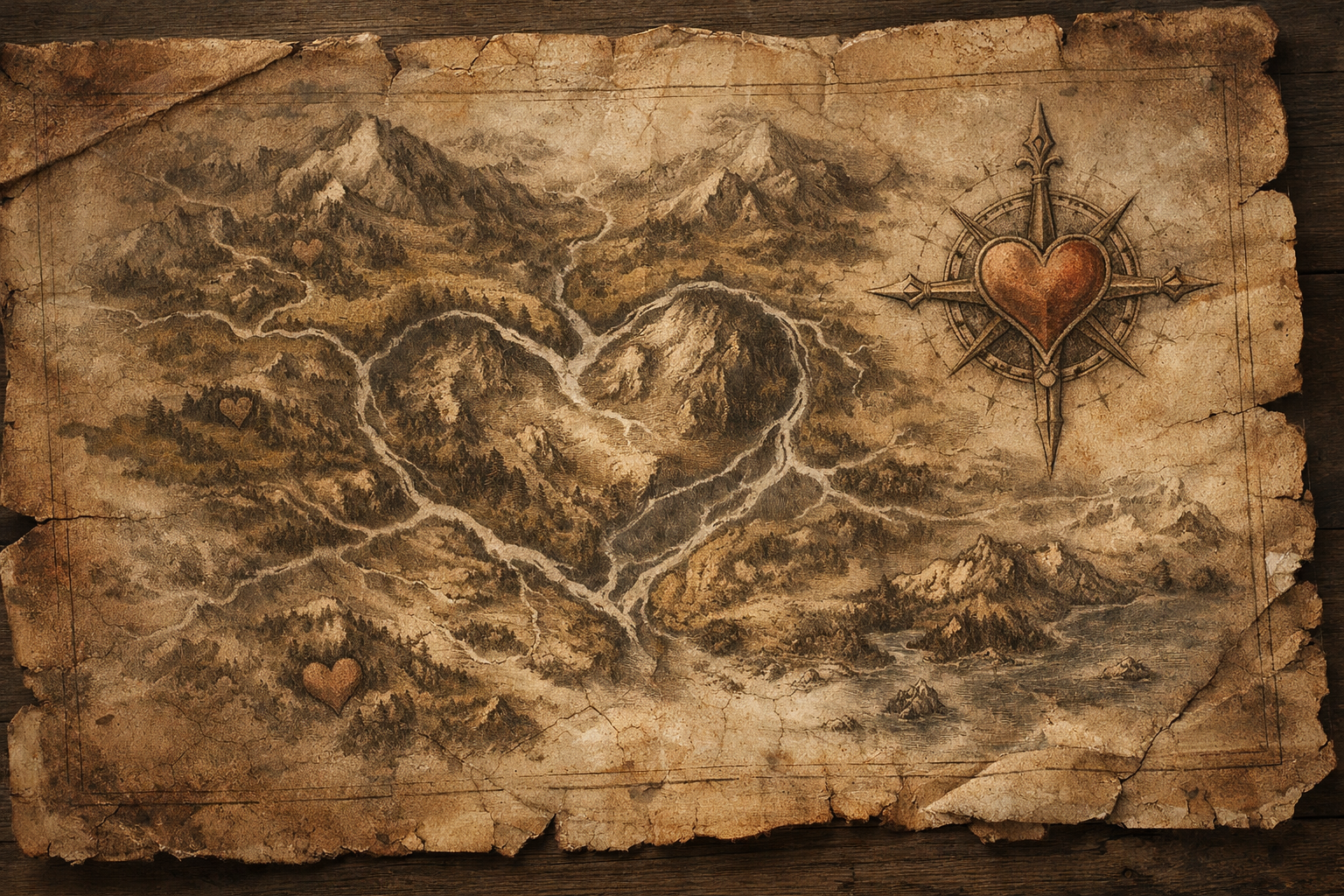
We grow up on fairy tales about love—the castle, the glass slipper, the happily ever after. Then we're told those feelings aren't real, that overwhelming soul-level connection is just infatuation. But here's what I've learned through 32 years of marriage: the castles aren't real, but that profound connection absolutely is. It lives in the exchange that happens when someone hands you the map to their tender places—shows you exactly where they can be wounded—and you choose to protect those places instead of exploit them. When both people are brave enough to be vulnerable AND responsible enough to hold each other's vulnerability as sacred trust, the connection that creates is more powerful than any fairy tale. Because it's real. It's earned. It's chosen every single day.
The Whole Self, Not the Highlight Reel
To truly love someone and be loved in return, you have to share all of yourself. Not just the highlight reel. Not just the parts you're proud of. The good, the bad, the scars, the 3 AM insecurities, the fears you don't even like admitting to yourself. The sanitized version can get you a pretty good relationship. But the real, whole, unfiltered you? That's where the magic is. And that's terrifying—because being fully vulnerable means handing someone the map to exactly where you can be wounded. This is Part 3 of a series on what love actually requires: the courage to be fully seen and still fully loved.

Two Paths, One Mountain
You won't be on the same page every day. There will be mornings when you wake up and genuinely wonder if you're dealing with an alien. After 32 years of marriage, Dave and I have navigated countless versions of the dishwasher problem—those moments when two people approach the same situation from completely different angles and both are convinced their way makes more sense. But we're still on the same team. Not because we finally agreed on everything, but because we're committed to the same destination. Think of it like climbing different sides of the same mountain—different paths, different obstacles, but the same summit.
The Speech I Didn't Know I Was Ready to Give
I didn't plan to cry during my son's wedding speech. I'd practiced, prepared, even made a 12-foot scroll that unrolled dramatically down the aisle for laughs. But when I looked at my son and his bride, and at my husband after 32 years of hard-won marriage, I realized something: I was standing there as someone I didn't used to be. The words that came out—about vulnerability as courage, about trust as sacred responsibility—those weren't things the old version of me could have said. Not out loud. Not with confidence. This is Part 1 of a 7-part series on what it really takes to love well and be fully known.

Living the Both/And: Where Being and Becoming Finally Become One
We're conditioned to think in binaries: Stability OR growth. Being OR becoming. Roots OR wings. Pick one. Commit. Stay there. But life doesn't work that way. You need both. Not sequentially, but simultaneously. At the same time. In the same breath. This is Soul Force—where being and becoming finally become one. Not the elimination of tension, but the integration of paradox.
What You Keep, What You Release
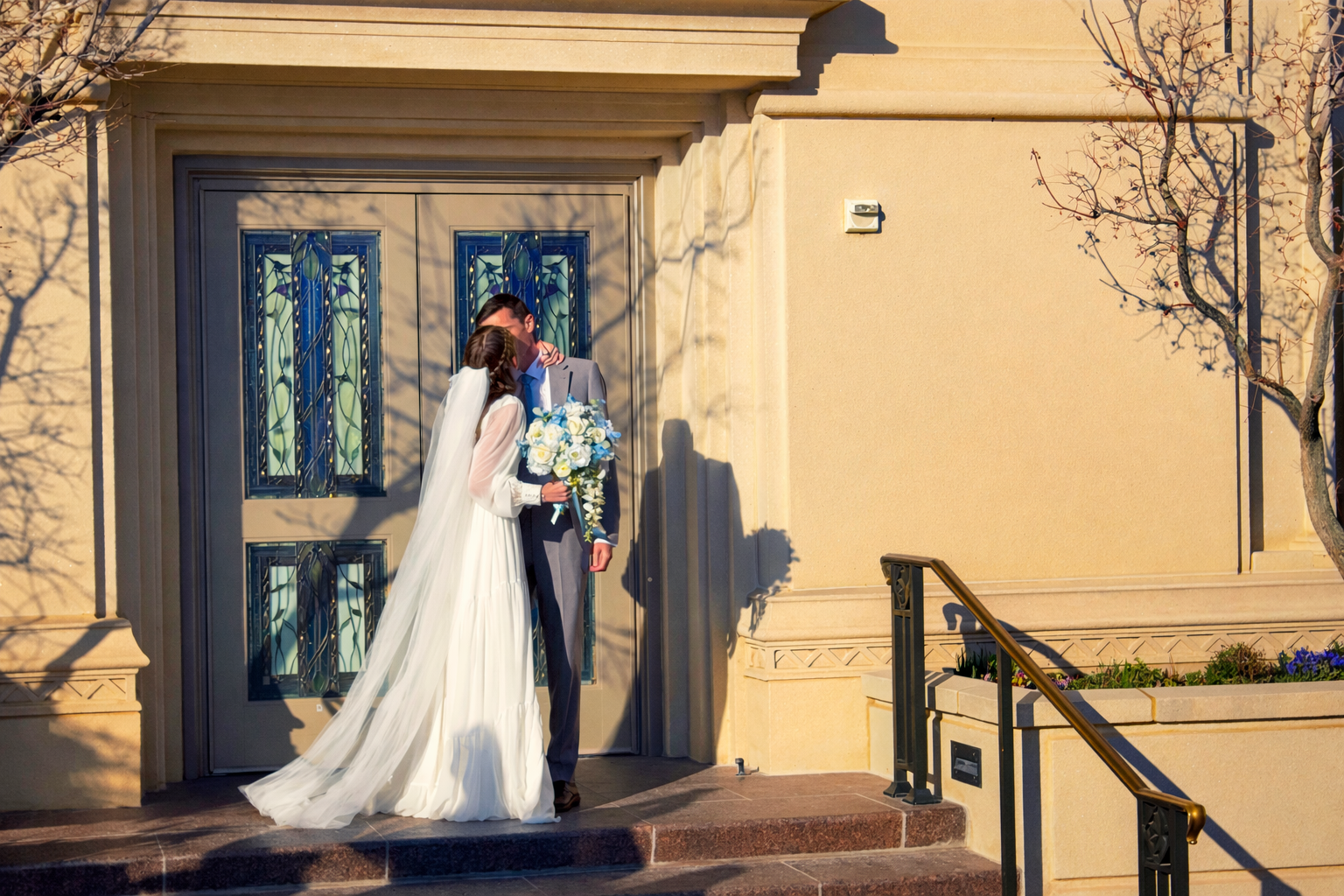
I'm standing at the back of the church, watching my youngest son and his bride walk out into their new life together, and I feel two things at once: A sweet, aching release—the caregiving relationship I've treasured for so long is shifting. And an unexpected surge of freedom—Now, more than ever before, it's time to follow my own dreams.
In just a few weeks, my husband retires from the military after three decades. We don't know yet if we're staying or moving—that depends on what opportunities emerge. But I'm not just asking where we're going. I'm asking who I'm becoming—and what I need to carry with me into whatever comes next.
Here's what I'm learning: Some things we carry aren't actually part of us. They're scaffolding—temporary supports we needed to build something, but not the thing itself. The problem is, we hold onto them so long they start to feel essential. And then when circumstances change, we can't tell the difference between losing scaffolding and losing ourselves.
The art of knowing what to carry forward and what to leave behind—that's the work of authentic growth.

The Growth Trap: When the Pursuit of Becoming Becomes Exhausting Performance
In my last blog, I wrote about how protocols saved me. And that’s true. But here’s what I’m learning—the hard way, in real time: The same discipline that grounds you can also trap you when you forget to ask if you’re pursuing the right kind of growth. Not all movement is progress. Not all optimization is healthy. Sometimes the pursuit of growth becomes its own form of imprisonment.

The Space Between Who You Were and Who You’re Becoming
There’s something sacred about the final days of a year—not because January 1st holds magical power, but because we grant it power. We decide this moment is worth pausing for, worth asking ourselves the hard questions we’ve been too busy to ask all year. This is your invitation to reflect on who you’ve become in 2025—and intentionally design who you’ll become in 2026.
Home for the Holidays (Wherever That Is)
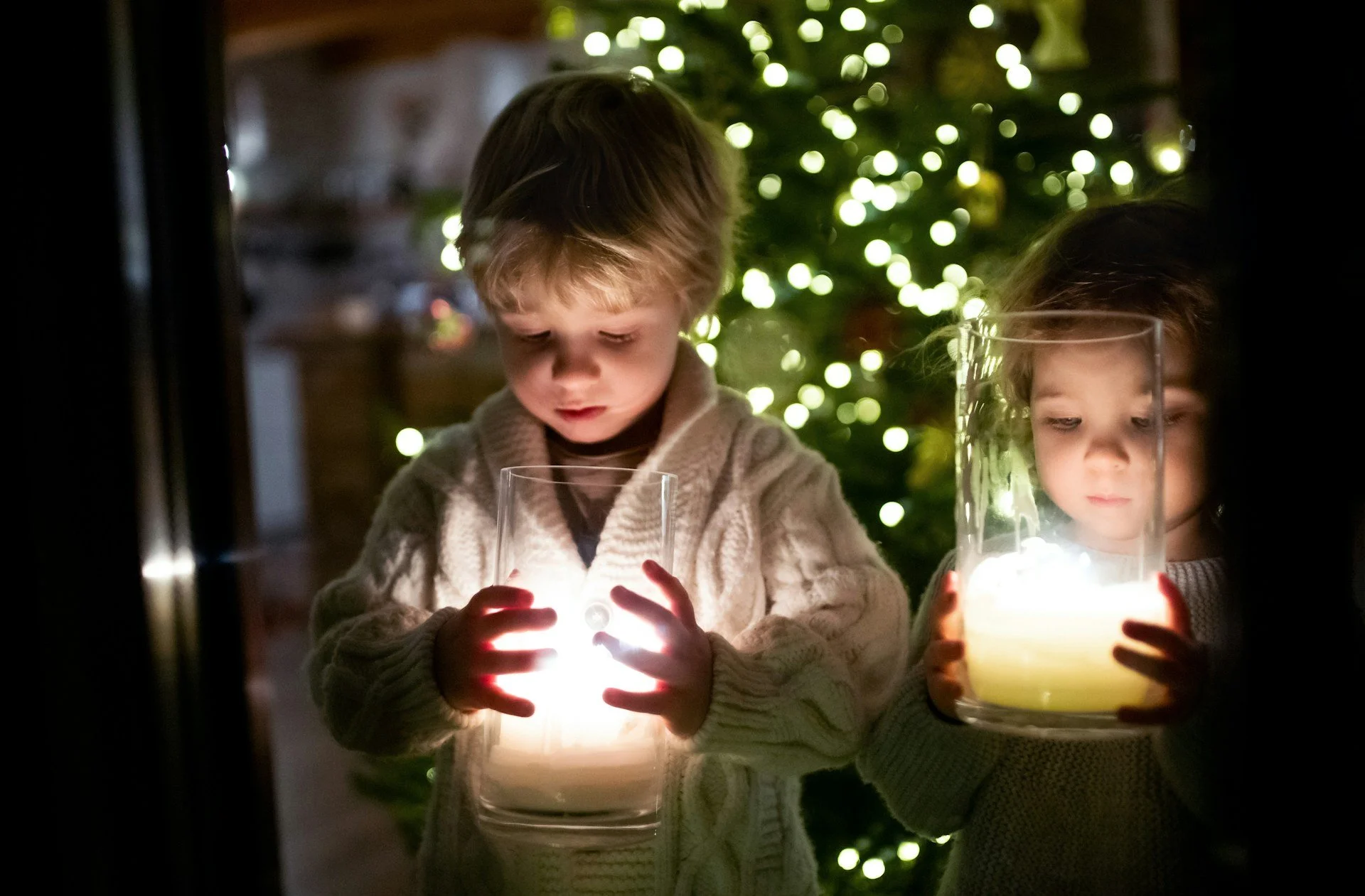
The holidays have a way of highlighting what we don't have—the farmhouse we never inherited, the family that doesn't look like the movies, the "home" that isn't a fixed point on any map. But what if Christmas was never about perfect circumstances? What if we've been carrying it with us all along?

Building on Shifting Ground: When the Mice Turn Out to Be Raccoons
After 20 moves, I've learned something essential: You cannot build lasting stability on anything external. Houses have mice. Or raccoons. Jobs end. Roles shift. Plans change. If your stability depends on things staying the same, you're building on sand. So what do you do when literally nothing external is stable? You build internal anchors. The kind that move with you.
The Stability Paradox: When Staying is Risk and Growth is Safety
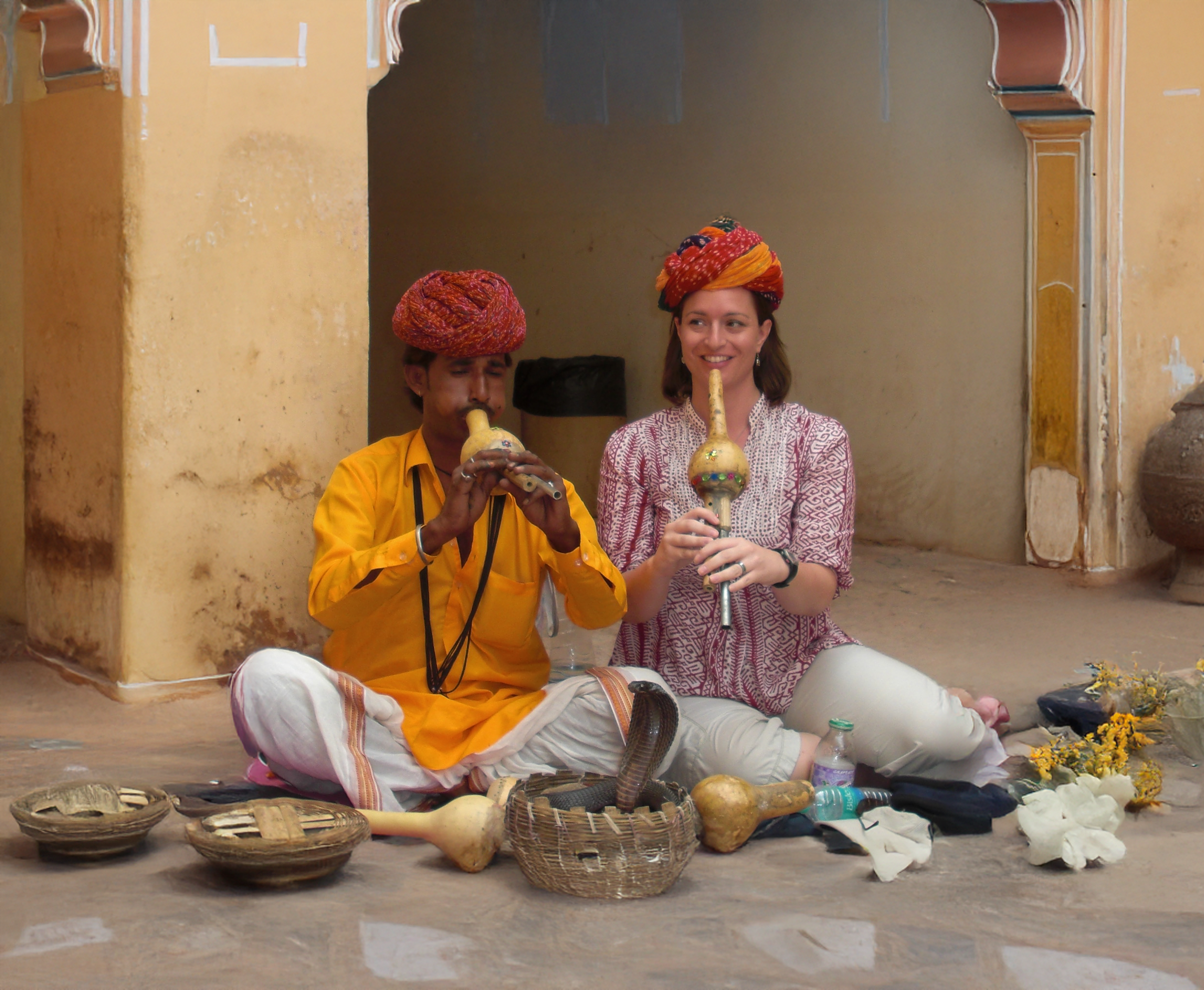
For years, I had a perfectly reasonable excuse for not dreaming too big: "I can't because we'll have to move." "I can't because the kids need me." And some of that was true. But I was also using those real constraints as cover for fear. Staying felt safe. Dreaming felt dangerous. But here's the paradox I didn't see: staying small was the riskiest thing I could have done. Because while I was "safely" avoiding risk, resentment was building. Then came India—terrifying with four kids, but the most stable choice I could make for my soul.
Roots and Wings: Building a Portable Identity
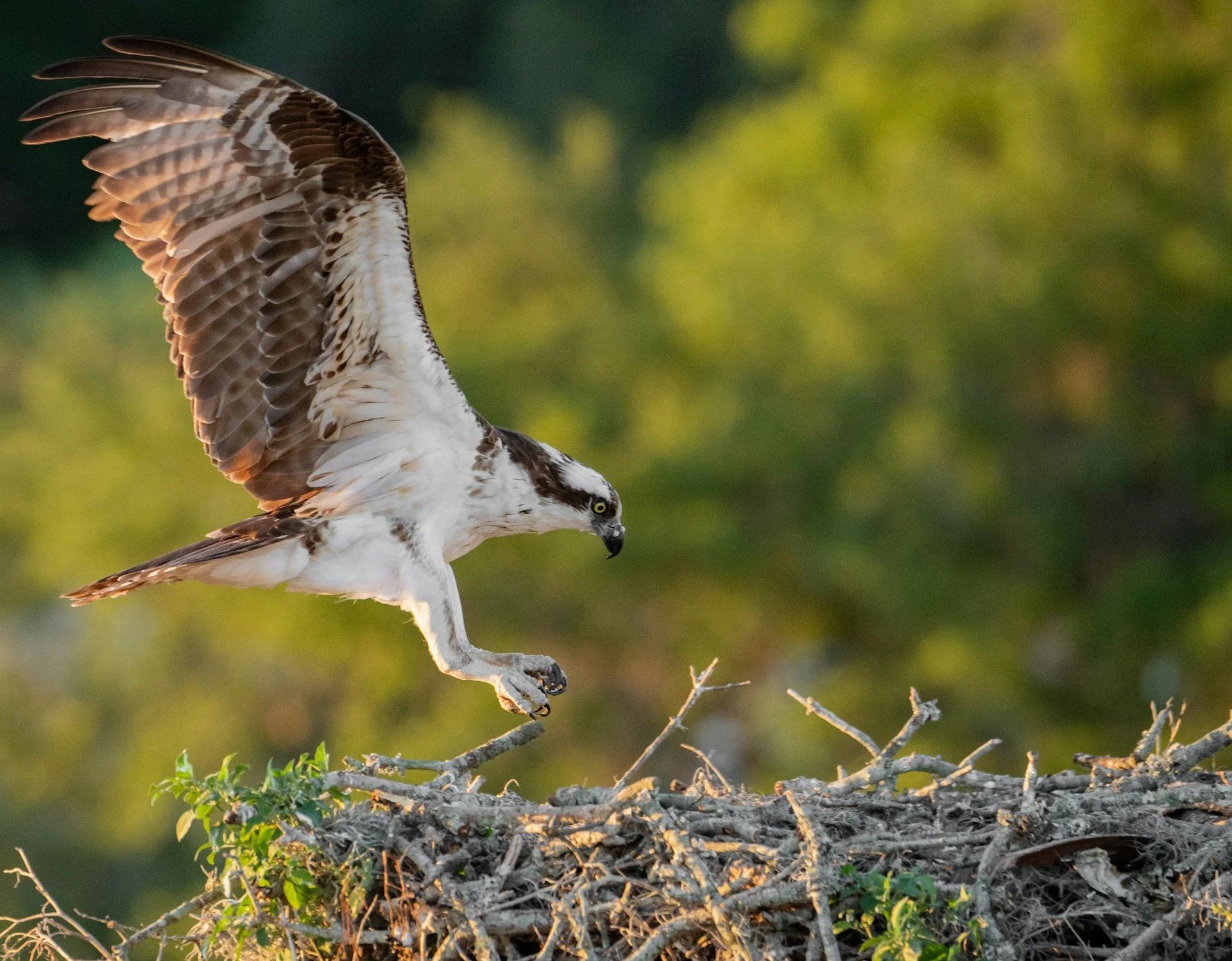
Three weeks ago, I unpacked my life for the twentieth time. But I wasn't starting over—because I've learned to build an identity that travels. This isn't about choosing between roots and wings. It's about cultivating practices, values, and truths that anchor you anywhere, while keeping the courage to spread your wings in new territory. Here's how to build a portable identity that's both deeply grounded and completely free.
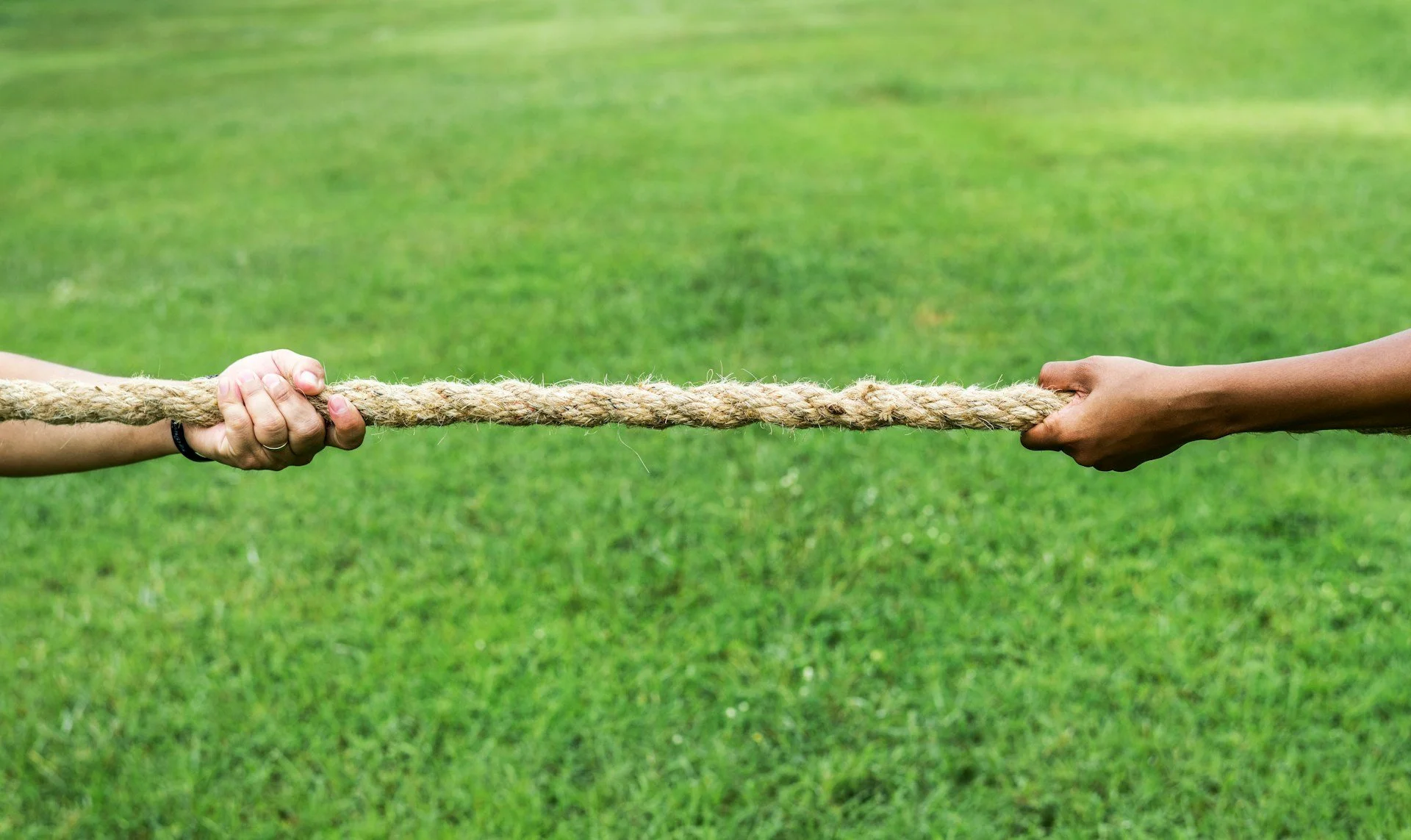
The Tension We All Live: Introduction to the Stability-Growth Paradox
At a recent workshop, two successful businessmen said they struggled to set goals because they were satisfied with their lives—they felt like they'd "arrived." Part of me thought, good for them. But another part wondered: Is that contentment or complacency? This tension between stability and growth lives in all of us. What if we don't have to choose? What if the most powerful life is one that honors both?
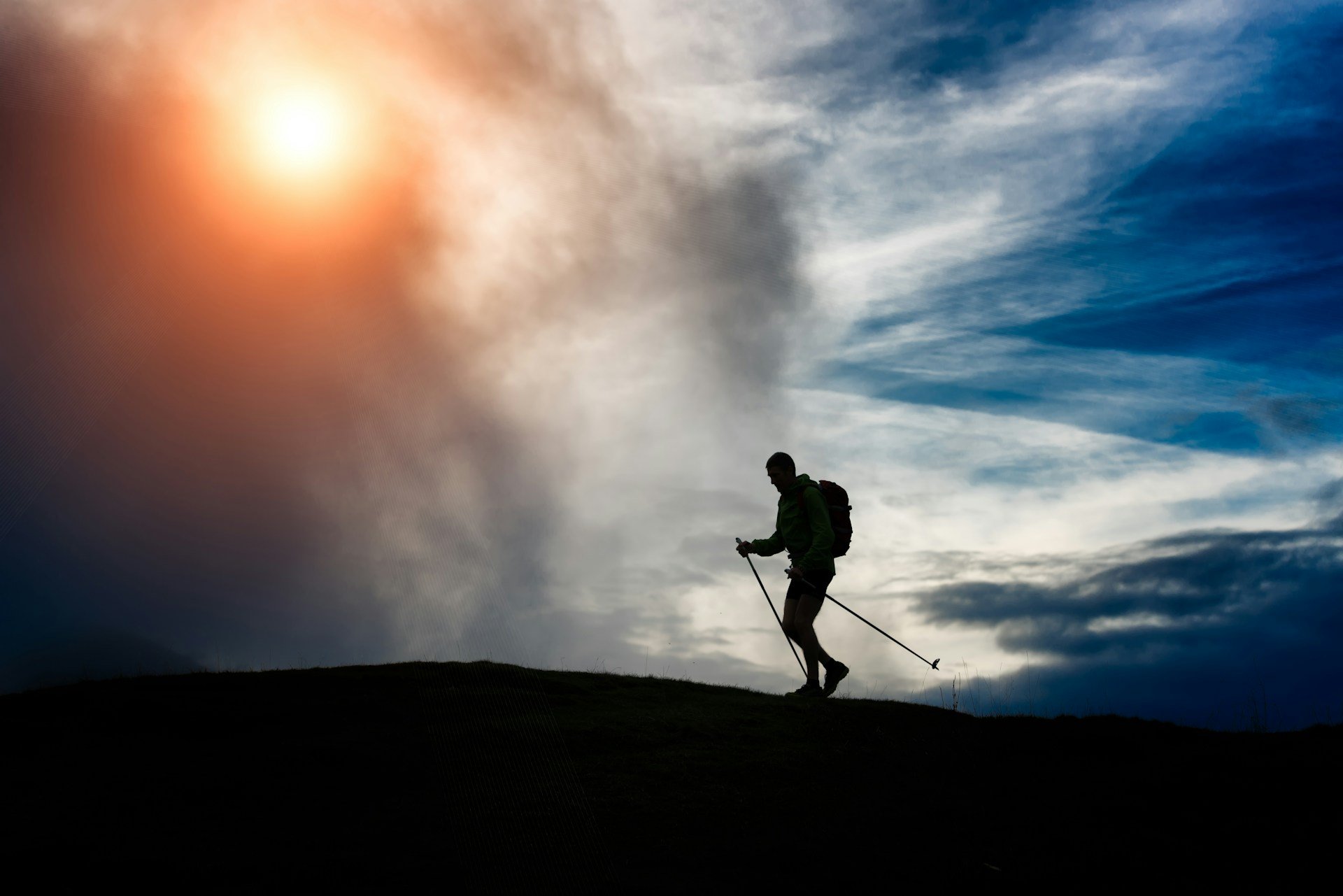
Antifragile: The Journey That Changed How I See Everything
Every one of us lives the Hero’s Journey—not once, but over and over again.
For years, my family’s motto was “we can do hard things,” but it wasn’t until I began my Heroic path that I learned how those hard things could actually shape me. This is the story of how Antifragility became my word, my work, and the way I’ve learned to love the journey rather than fear it.

When Life Hands You the Entire Stress Scale at Once
Stress has a way of showing up like a shark fin breaking the surface—sudden, overwhelming, and impossible to ignore. After 20 moves, a deployment, endless transitions, unexpected challenges, and a nervous system that used to live in overdrive, I finally learned how to meet stress differently. In this blog, I share how Heroic tools transformed my identity, my resilience, and my response to the chaos of real life. If you’ve ever felt swallowed by stress, this one’s for you.
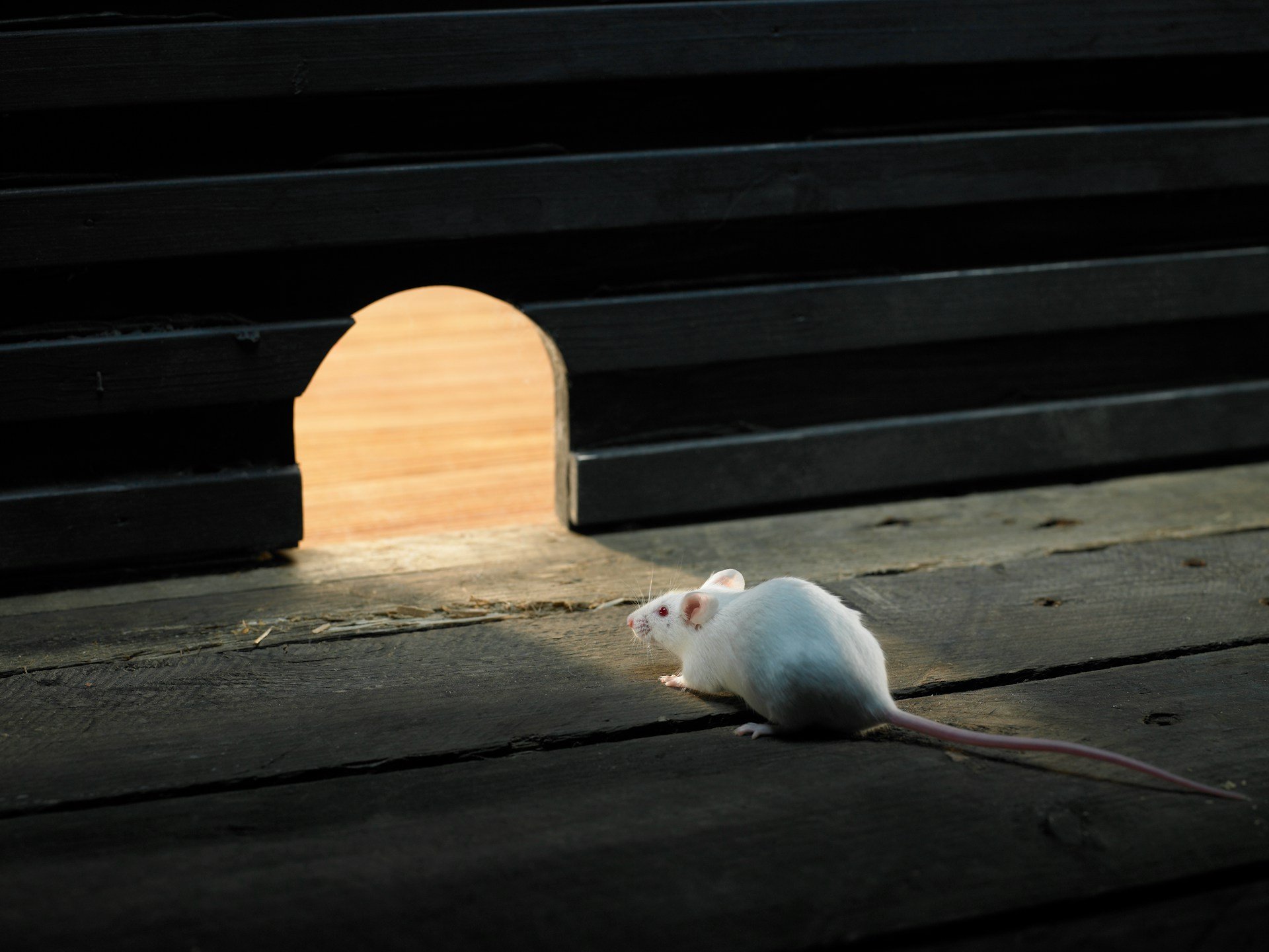
Rat Problems, Mice Problems, and Everything In Between
The past several weeks have been a whirlwind of unexpected chaos—an unplanned move, a freezing first night in our new rental thanks to unconnected gas, the discovery of what I thought were roof rats, a broken dishwasher just in time for Thanksgiving, and even a spectacular fall that left me with a purple goose egg on my forehead. But in the middle of all of it, a simple comment from my son shifted everything: “That’s a mice problem.”
What began as a joke became a powerful reminder that so much of what feels overwhelming is really just about perspective. Most of our challenges aren’t rats at all—they’re mice, manageable and temporary, especially when we choose to meet life with grace, humor, and hope.
